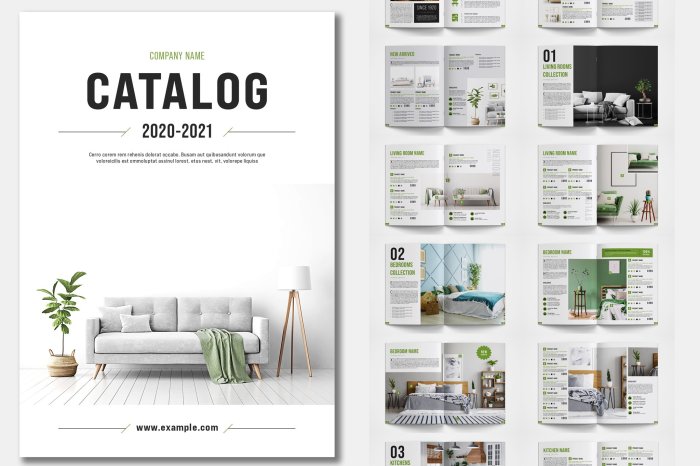
Catalog marketing ideas provide businesses with a unique opportunity to connect with customers through visually appealing and strategically crafted catalogs. These catalogs serve as a powerful marketing tool, allowing brands to showcase their products and services while telling their story in a compelling way. By leveraging innovative design and targeted distribution strategies, businesses can create a lasting impression and drive sales.
In this discussion, we will explore the fundamentals of catalog marketing, delve into creative ideas for engaging catalog layouts, and identify effective distribution channels. Additionally, we will highlight the importance of measuring success and adapting strategies to stay ahead of market trends.
Catalog Marketing Fundamentals
Catalog marketing is a powerful tool that businesses utilize to showcase their products or services. It involves creating organized collections of items that are visually appealing and informative, aimed at enticing customers to make purchases. The importance of catalog marketing lies in its ability to reach potential customers directly, providing them with an accessible means to browse offerings, discover new products, and make informed buying decisions.Successful catalog marketing strategies can be seen in various industries.
For instance, companies like IKEA and Crate & Barrel create visually stunning catalogs that align with their brand identity, showcasing their products in lifestyle settings that resonate with their target audience. Another example is J.C. Penney, which has effectively used seasonal catalogs to promote holiday sales, increasing engagement and driving sales.Different types of catalogs cater to specific audiences. Product catalogs typically provide a comprehensive list of items available for purchase, while lifestyle catalogs focus on showcasing products in real-life contexts.
Digital catalogs have gained popularity as they offer interactivity, allowing customers to click on items for more information or direct purchases.
Creative Catalog Marketing Ideas
Innovative catalog layouts can significantly enhance customer engagement. Incorporating unique design elements, such as bold typography, vibrant colors, and high-quality imagery can captivate the audience’s attention. Experimenting with different formats, like fold-out pages or pop-up elements, adds a tactile dimension that can delight customers.Storytelling is another powerful method to enhance customer connection within catalogs. Crafting narratives around products can evoke emotions and resonate with customers, leading to stronger brand loyalty.
For example, sharing the journey of how a product is made or featuring customer stories can create a relatable experience that encourages purchases.Promotional offers featured in catalogs can drive sales and attract new customers. Unique ideas include limited-time discounts, exclusive catalog-only deals, and bundle offers that provide added value. Additionally, using QR codes that link to special online content can engage tech-savvy consumers and create a more interactive experience.
Catalog Distribution Strategies
Effectively distributing catalogs is crucial for reaching target customers. Direct mail remains a powerful channel, allowing businesses to send physical copies to specific demographics. Additionally, combining print catalogs with online distribution through email marketing and social media can expand the reach significantly.Online catalogs and e-commerce integration have transformed how businesses engage with customers. By allowing customers to browse digital catalogs and make purchases directly through e-commerce platforms, businesses can streamline the buying process and enhance customer experience.Direct mail as a catalog distribution method is particularly effective when targeting specific neighborhoods or demographics.
Personalized mailers that address potential customers by name or include tailored offers can yield higher response rates and increase engagement.
Measuring Catalog Marketing Success
Key performance indicators (KPIs) are essential for evaluating the effectiveness of catalog marketing efforts. Metrics such as response rates, conversion rates, and overall sales growth directly linked to catalog distribution can indicate success. Tracking these KPIs allows businesses to adjust strategies and improve future campaigns.Gathering customer feedback on catalogs can also provide valuable insights. Surveys and feedback forms included in catalogs encourage customers to share their thoughts about design, product selection, and overall satisfaction.
This information can be crucial for making improvements and tailoring future catalog offerings.When comparing the return on investment (ROI) of catalog marketing to other marketing strategies, businesses can analyze sales generated directly from catalog efforts against costs incurred in production and distribution. Understanding these financial metrics enables businesses to make informed decisions about allocating marketing budgets effectively.
Business Innovation in Catalog Marketing
Technology is continuously reshaping catalog marketing, introducing new tools and platforms for businesses to engage their audiences. For instance, augmented reality (AR) allows customers to visualize products in their own spaces through their devices, enhancing the shopping experience.Businesses like Warby Parker have successfully innovated their catalog marketing approaches by offering virtual try-on experiences, allowing customers to see how eyewear looks on their faces before making a purchase.Adapting catalogs to current market trends is critical in maintaining relevance.
As consumer preferences shift towards sustainability, many businesses are now emphasizing eco-friendly practices in their catalogs, highlighting products made from sustainable materials or featuring environmentally conscious messages.
International Business and Catalog Marketing
Marketing catalogs internationally presents various challenges, including language barriers and differing cultural preferences. Each market may require tailored catalog content and design to resonate with local audiences effectively.Cultural considerations impact catalog design significantly. For example, colors, imagery, and even product presentation can differ in appeal from one culture to another. Understanding these nuances is essential for creating catalogs that engage effectively in diverse markets.Global brands like Unilever have successfully used catalogs to penetrate foreign markets, adapting content to reflect local customs and preferences while maintaining overall brand consistency.
Networking in Catalog Marketing
Building relationships with suppliers is crucial for catalog content creation. Establishing partnerships can lead to better pricing, exclusive product offerings, and the ability to feature unique items in catalogs that differentiate a business from competitors.Effective networking strategies for catalog marketers include attending trade shows, joining industry associations, and leveraging social media platforms for professional connections. Engaging with peers and industry leaders can foster collaborations and exchanges of innovative ideas.Leveraging business networking for catalog promotion can amplify reach.
Sharing catalogs through partners’ channels or collaborating on joint marketing efforts can introduce products to new audiences and enhance overall visibility.
Business Outsourcing for Catalog Production
Outsourcing catalog design and printing can offer businesses numerous benefits, including access to specialized expertise, cost savings, and increased efficiency. By partnering with experienced professionals, businesses can focus on their core activities while ensuring high-quality catalog production.When selecting an outsourcing partner, key factors to consider include their portfolio, experience with similar projects, and production capabilities. Clear communication and understanding of project goals also play a significant role in ensuring successful collaboration.Potential outsourcing companies specializing in catalog production include established print houses and design agencies known for their work in marketing collateral.
Researching and vetting these companies can help businesses find the right fit for their specific needs.
Enhancing Business Presentation through Catalogs
Catalogs play a vital role in professional business presentations, serving as effective tools for visual storytelling and product demonstration. By integrating catalogs into sales pitches, businesses can provide tangible materials that support verbal presentations.Techniques for incorporating catalogs into presentations include highlighting specific product pages that align with the audience’s interests and using catalogs as reference tools during discussions. This approach can enhance engagement and clarity.Visually appealing catalog presentations that utilize high-quality images, organized layouts, and compelling narratives can leave a lasting impression on clients and stakeholders, making the overall presentation more memorable.
Catalogs in the Restaurant Industry
Restaurants can effectively utilize catalogs for showcasing their menus and specials. A well-designed menu catalog can provide customers with a visually appealing overview of offerings, enhancing their dining experience while encouraging them to explore new options.Visual storytelling in restaurant catalogs can significantly impact customer perception. High-quality images of dishes, along with descriptions that highlight ingredients and preparation methods, can evoke cravings and promote menu items.Seasonal catalog promotions in the restaurant sector can drive traffic and enhance customer engagement.
By introducing special menus or themed offerings during holidays or events, restaurants can create excitement and encourage patrons to visit.
Catalog Development for Small Businesses
Creating a catalog for small businesses involves several key steps, starting from identifying the target audience to selecting products and designing the layout. By understanding their customer base, small businesses can tailor their catalogs to meet specific needs and preferences.Budget-friendly strategies for catalog production include utilizing digital formats, which can significantly reduce printing costs. Additionally, leveraging in-house design resources or collaborating with local graphic designers can help small businesses maintain quality while managing expenses.Successful examples of small business catalogs often highlight specific themes or unique product offerings that resonate with local customers.
These catalogs can serve as both marketing tools and community engagement resources.
Strategic Planning for Catalog Marketing
Strategic planning is essential for effective catalog marketing efforts. By setting clear objectives and aligning catalog development with overall business goals, companies can create more focused and impactful campaigns.Frameworks for developing a catalog marketing strategy may include conducting market research, defining target audiences, and establishing timelines for production and distribution. This structured approach facilitates efficient execution and monitoring.Examples of strategic objectives for catalog campaigns might include increasing customer acquisition by a set percentage, boosting sales of specific product lines, or enhancing brand awareness within targeted demographics.
Team Building for Catalog Marketing Projects

Collaboration is critical in creating successful catalogs. Working as a cohesive team allows for diverse perspectives and creativity, resulting in more effective and engaging catalog content.A successful catalog marketing team typically includes roles such as designers, writers, project managers, and marketing specialists. Each member plays a vital role in bringing the catalog vision to life.Exercises for enhancing teamwork within catalog marketing teams may include brainstorming sessions, collaborative design workshops, and regular feedback loops to ensure alignment and foster innovation throughout the creation process.
Workplace Communication in Catalog Marketing
Effective communication strategies are essential for catalog marketing teams, ensuring clarity and collaboration across departments. Regular check-ins and updates can facilitate transparency and keep all team members aligned with project goals.To ensure clarity in catalog content, it’s important to establish style guides and templates. This consistency helps maintain brand voice and visual identity across different teams and publications.Feedback plays a crucial role in the catalog production process.
By inviting input from various stakeholders throughout the development stages, businesses can refine content and design elements to better resonate with their audience.
Security Considerations in Catalog Marketing
Catalog marketing and distribution come with inherent risks, including data breaches and unauthorized access to sensitive customer information. Businesses must prioritize security to protect customer data effectively.Measures to safeguard sensitive customer data in catalogs include implementing secure printing practices, encrypting digital catalogs, and ensuring compliance with data protection regulations. These protocols help maintain customer trust and brand integrity.Developing security protocols for catalog marketing campaigns can involve regular audits, staff training on data handling best practices, and establishing clear procedures for responding to potential data breaches.
This proactive approach ensures a secure cataloging process.
Closing Summary
In conclusion, mastering catalog marketing ideas is essential for businesses looking to enhance their customer engagement and drive growth. By implementing creative layouts, utilizing effective distribution channels, and measuring success through key performance indicators, companies can ensure their catalogs not only reach their target audience but also resonate with them. As the landscape of marketing continues to evolve, staying innovative and adaptable will be key to leveraging the full potential of catalogs in any marketing strategy.
User Queries
What is catalog marketing?
Catalog marketing is a strategy that involves using catalogs to showcase products or services to potential customers, enhancing engagement and facilitating sales.
How can I make my catalog stand out?
Utilize creative layouts, incorporate storytelling, and include unique promotional offers to create an engaging and memorable catalog experience.
What are some effective channels for catalog distribution?
Effective channels include direct mail, online catalogs, and integration with e-commerce platforms to reach a wider audience.
How do I measure the success of my catalog marketing?
Success can be measured using key performance indicators (KPIs) such as sales conversion rates, customer feedback, and overall return on investment (ROI).
What role does technology play in catalog marketing?
Technology enhances catalog marketing through advanced design tools, online distribution options, and data analytics for measuring effectiveness.